Summary (by AI): I was fascinated by Bristol's unique, rugged Bristol Byzantine architecture, exemplified by the historically layered Carriage Works, and felt an increasing sense of vibrancy and caution as I walked toward the "colourful" area of St. Pauls.
Blog: After researching A for B, I came across a specific style of architecture that was essentially synonymous with this city: Bristol Byzantine.
It turned out this style was quite unique to Bristol. It stood in stark contrast to the neo-Gothic architecture seen across much of the rest of the UK; think of those classic churches with their soaring spires and sharp angles. Bristol Byzantine, by comparison, was born out of function. It was built for industry.
The style was characterized by large, monolithic buildings that were perfectly suited for the city's warehouses and industrial hubs. You could spot it by the rounded windows—a departure from the "pointy" Gothic style—and the use of multi-colored bricks. Those bricks weren't just building materials; they created the patterns and the inherent beauty of the structure. It was a different kind of aesthetic than the neoclassical style with its statues and cherubs; it was rugged and purposeful.
The name itself was inspired by Greek architecture and the great port cities of the Mediterranean, like Athens. It served as a physical reminder of the historic trade links between the Mediterranean and Bristol’s own docks.
I found a fantastic example of this style: The Carriage Works. Looking at the facade, I could really see the history of the place. It had lived many lives over the years. As the name suggested, it started quite literally as a carriage works before being converted into a rubber factory. Later, it became the home of a premium pools company.

Eventually, the building fell into "rack and ruin," as they say. But the local community got together and effectively resurrected it. By the time I saw it, it had been transformed into what I was sure were very nice "yuppie flats."
The building sat at the bottom end of Gloucester Road, which was a marvelous stretch of the city.
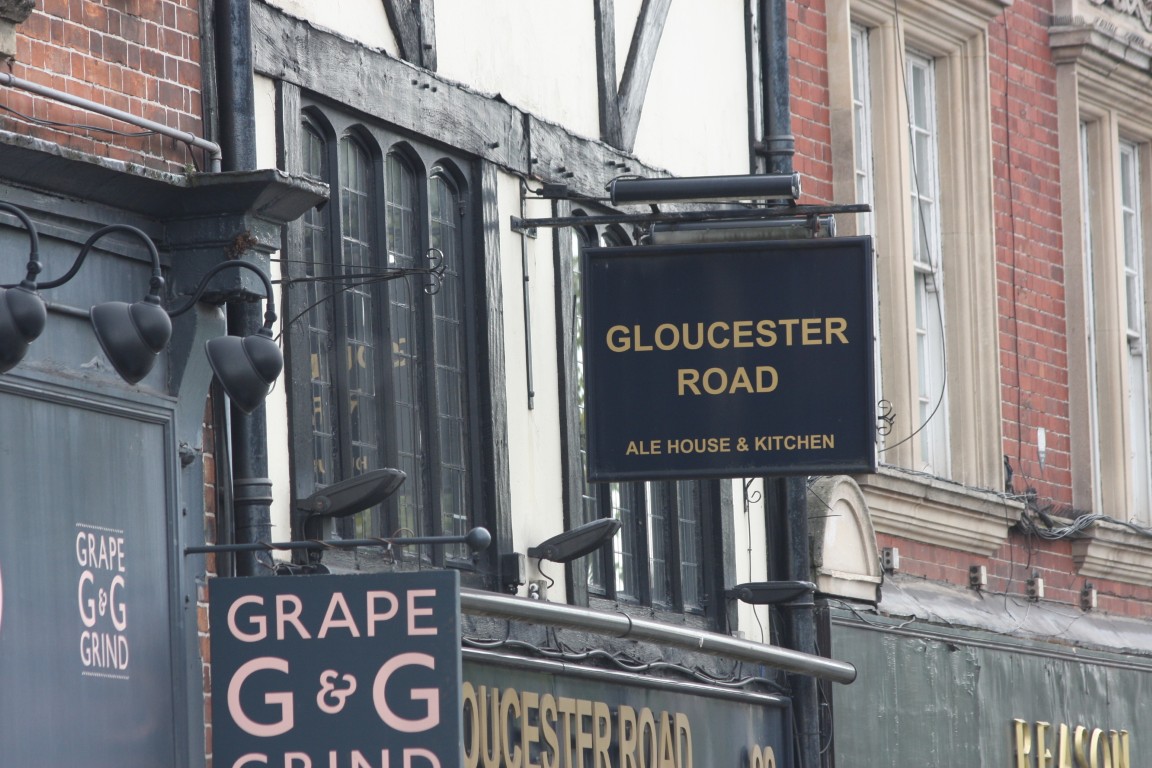
I was heading toward the outskirts of St. Pauls. As anyone who knew Bristol's history would tell you, St. Pauls was one of the more "colourful" areas of the city. As I walked, things definitely started to feel a bit more vibrant, so I kept an eye on my surroundings as I left the Carriage Works behind.
The Map: