Summary (by AI): I found my walking tour around the historic Clifton Suspension Bridge and the beautiful, grand Clifton village to be an absolutely fantastic experience.
Blog: The Clifton Suspension Bridge sits just to the west of Bristol, and I recently included it as part of a long walking tour I did around the city. It was an absolutely fantastic day. The bridge was officially opened in 1864, and for a long time, I was under the impression that it was solely the work of Isambard Kingdom Brunel. As it turns out, Brunel actually passed away in 1859, five years before it was completed. The project had been stalled for years due to a lack of funding and the Bristol Riots, leaving only the masonry towers standing. After his death, engineers William Henry Barlow and Sir John Hawkshaw took over, revising the design slightly—including using chains from Brunel’s demolished Hungerford Bridge—to finish the project as a fitting memorial to him.
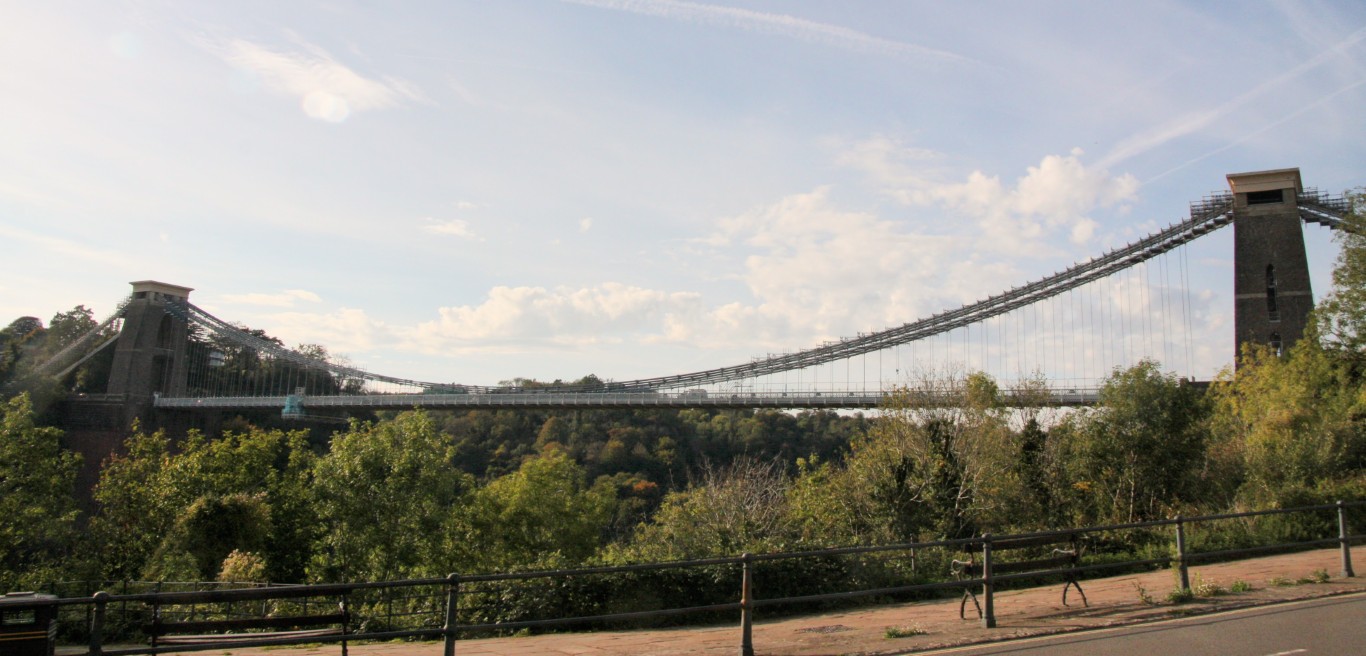
The result is an absolutely tremendous place. I approached the bridge from the area known as Clifton Down, which is an interesting spot to visit in its own right. Even though you’re very close to the city center, the area is preserved as a "down"—though when I passed through, it was absolutely full of people living in caravans.
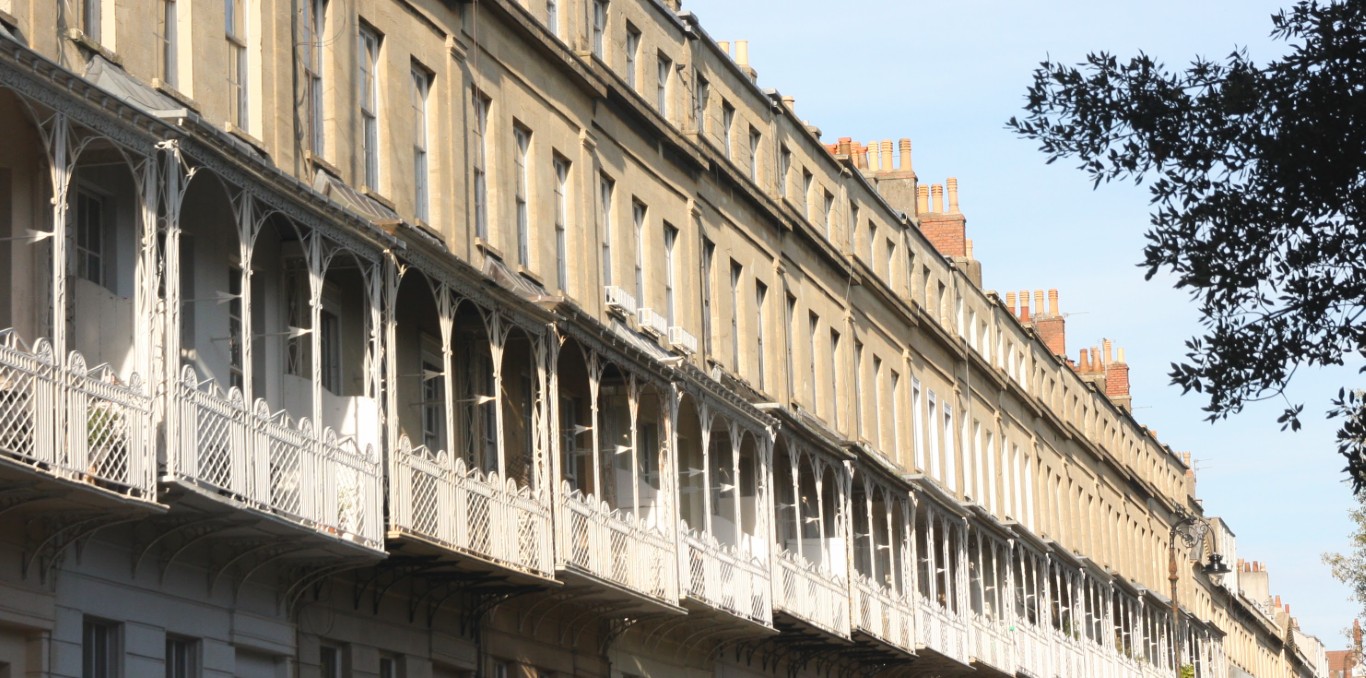
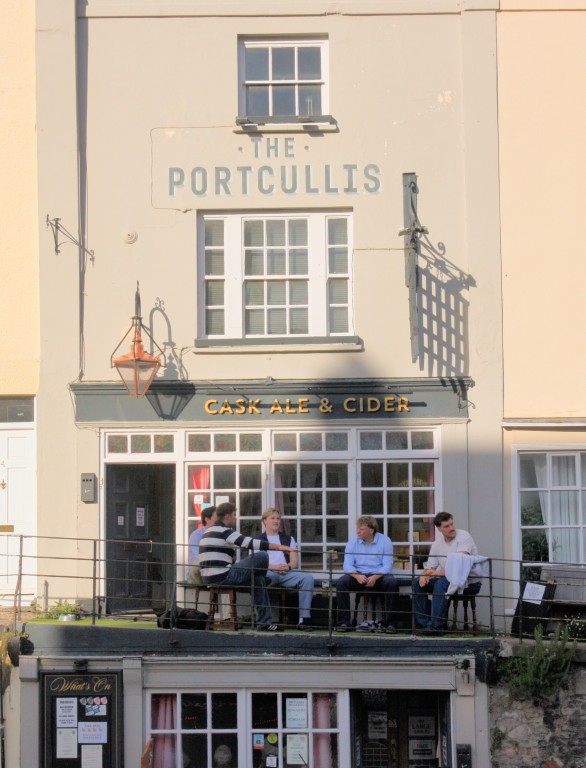
To get to the heart of Clifton, I walked up a steep hill, and it really is a beautiful place. It’s full of grand Georgian edifices, fantastic restaurants, a big shopping arcade, and plenty of little pubs. I stopped for a pint while I was up there. You get the distinct sense that if you were part of Bristol’s elite, this is exactly where you’d want to live.
Accessing the bridge from the village is easy, and walking across it gives you a real sense of its scale. While I was taking it all in, I looked into some of the notable events that have happened here. One of the most famous occurred on April 1, 1979, when members of the Oxford University Dangerous Sports Club performed the first-ever modern bungee jump from the bridge.
The bridge also played a starring role in the end of an era for British aviation. On November 26, 2003, Concorde G-BOAF—the final Concorde ever to fly—made a spectacular low-level pass over the suspension bridge before landing at Filton. It was a symbolic tribute to the city where the aircraft was built, and seeing that supersonic silhouette against the bridge's towers must have been an incredible sight.
The Map: