Summary (by AI): I found my trip to Holland’s Fen to be a fascinating experience, blending the area's complex social history and unique, challenging landscape with wonderful moments of natural beauty and unexpected excitement.
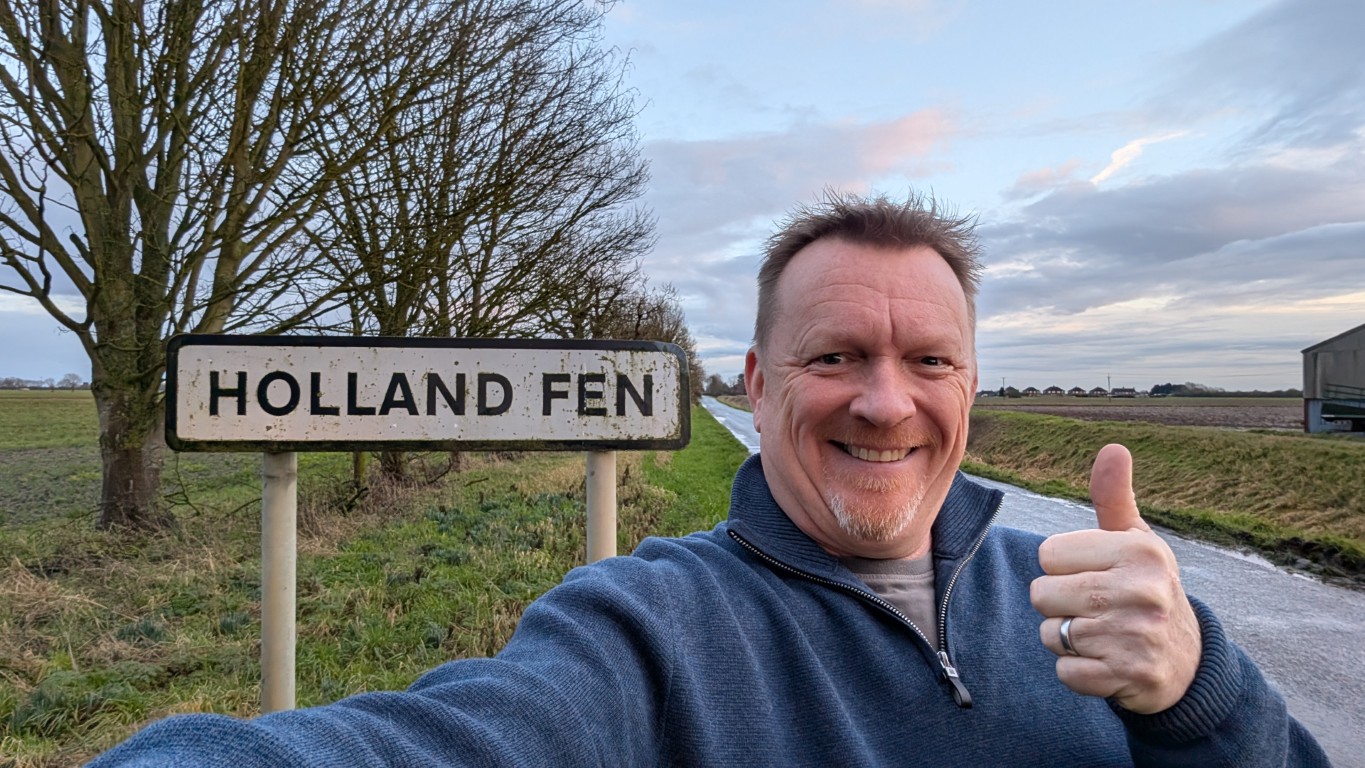
Blog: Well, that had to be done, didn’t it? My name is Steve Holland, and they went and named a place after me: Holland’s Fen. It was a brilliant trip. I drove out there during a week in February, heading into Lincolnshire under the kind of skies that have defined this winter—wet, dreary, and relentlessly grey.
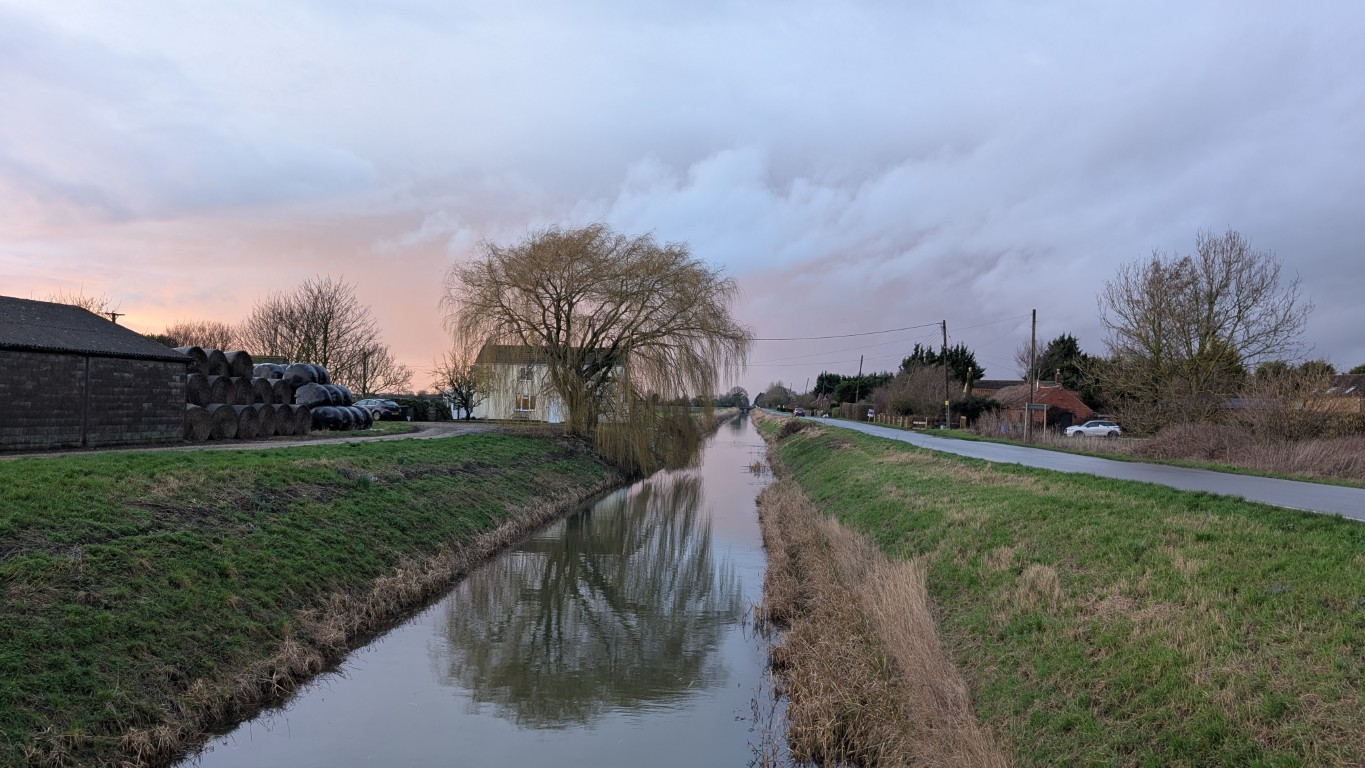
But I happened to hit Holland’s Fen at about 4:30 in the afternoon, right at that magnificent moment when the sun finally decided to peep underneath the cloud cover. It was coming in virtually sideways across the Fen, creating some incredible light and cast shadows. I hope some of that comes across in the photos, because it was truly lovely.
The drive there was an experience in itself. As anyone who lives in the UK knows, the roads are currently in a state of terminal disrepair. Where I live in Oxfordshire, it’s mostly potholes, but the Lincolnshire Fen roads are a different beast entirely. Because they are built on banks where the land falls away into drainage channels, the roads seem to be physically sliding to the side. It creates these massive ridges running right through the center. You find yourself driving at a permanent angle—two left wheels up high, two right wheels much lower. It’s a bit unnerving; you’re never quite sure if you’re about to scrape the bottom of the car on the "upper" lip of the road.
I’ve done a fair bit of research on the area, and the history of the Fens is fascinating. For those who don’t know, this used to be vast marshland that flooded with the tides of the North Sea. There was a resilient community of people who lived in and around Holland’s Fen; they effectively owned it collectively, farming it for eels and harvesting reeds for thatch.
In the late 1800s, however, wealthy landowners decided the land needed to be more "productive." They pushed an Act of Parliament through that broke the Fen up into individual pockets of land. On the surface, it looked positive—they were "giving" the land to the local families—but there was a catch. The law stipulated that they could only keep the land if they built substantial, expensive fencing around their plots. The locals simply couldn't afford it. They were forced to sell to the very landowners who had the capital to fence it in.
It didn't go down quietly. A group of local militia known as the "Lincolnshire Tigers"—or the Fen Tigers—rose up. They were responsible for a tremendous amount of disruption and damage to the new fences appearing across the county. But, as is so often the case, the rich won out in the end.
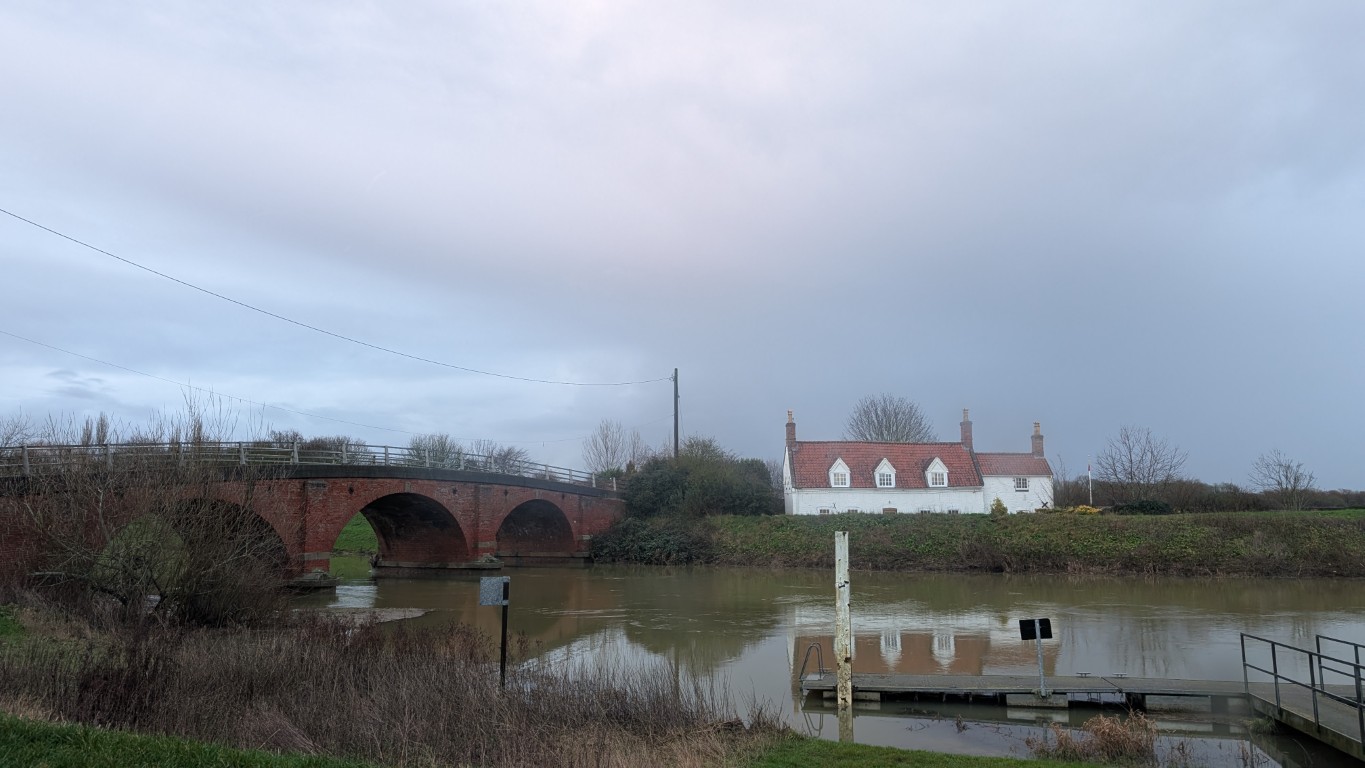
Once the land was drained via a massive sluice gate, it became incredibly productive due to the mineral-rich sea deposits left behind over centuries. But it changed the landscape forever. Everything was rebuilt in parallel lines; even the villages became long, straight rows of houses following the drainage channels. Traveling between these communities remained difficult because the ground was so muddy. I came across a story about a local clergyman, Reverend George Edward Bryan, who realized people weren't coming to church because of the conditions, so he had a "floating church" called the St. Nicholas built on a boat. In the 1890s, this 30-foot barge was towed along the Fens by horses to bring the services directly to the remote communities.
As I eventually drove off, looking for my next stop, I didn’t realize quite how close I was to RAF Coningsby. I found out soon enough. I was driving along a wide, expansive lane in the middle of the Fen when I was suddenly buzzed by a Typhoon jet that had just taken off. Cool!
To top it all off, I had read that you can occasionally see hares boxing in this part of the world. I’d taken a wrong turn and pulled over to do a U-turn when I spotted them: two hares, standing up and having a proper go at each other. You could argue they were boxing. Also cool !
The Map: