Summary (by AI): I enjoyed a brilliant and nostalgic visit to Woolsthorpe Manor, where I found the authentic atmosphere and scientific history of Newton’s apple tree to be both fascinating and highly recommended.
Blog: I was excited when I first looked at the "Obscura List" for Lincolnshire. My background is in physics—I did my degree at Southampton—so when I noticed that one of the entries was Newton’s Apple, it was the obvious and straightforward choice for a visit.
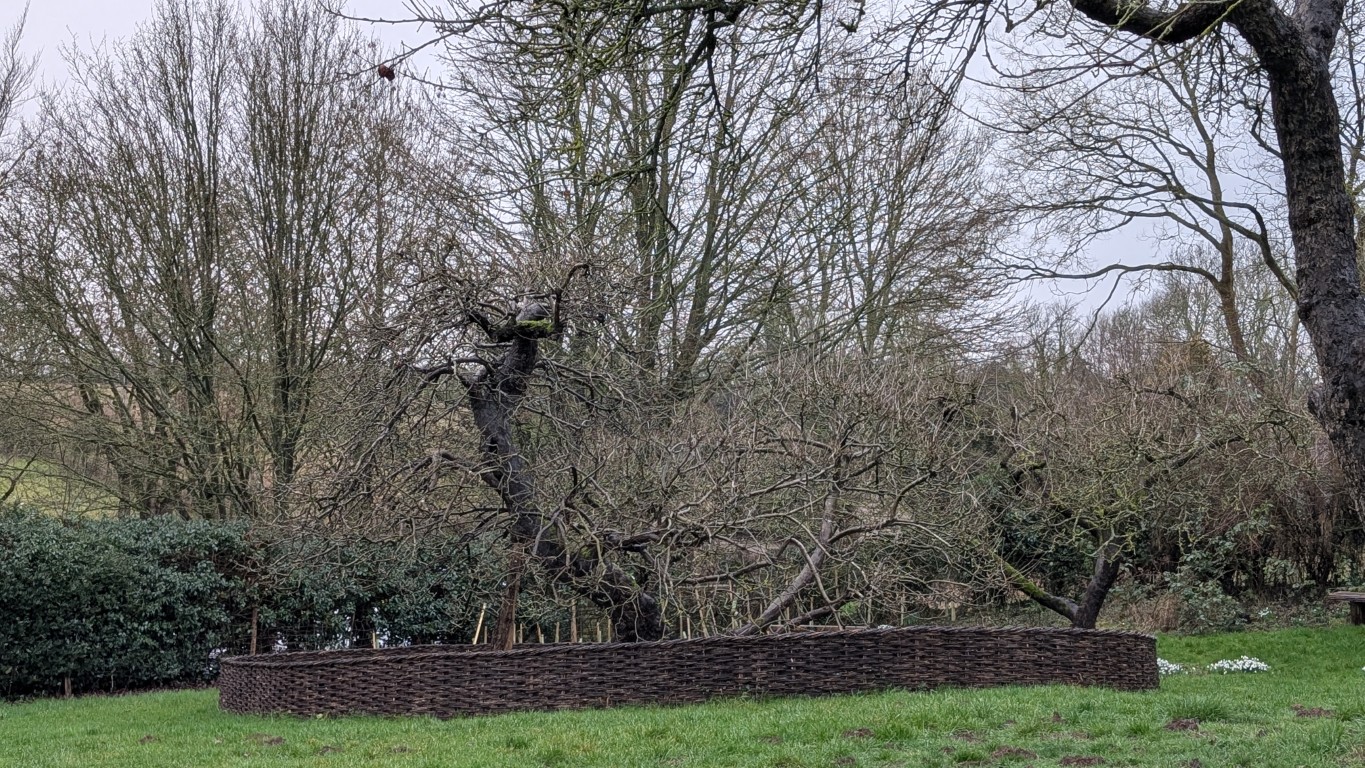
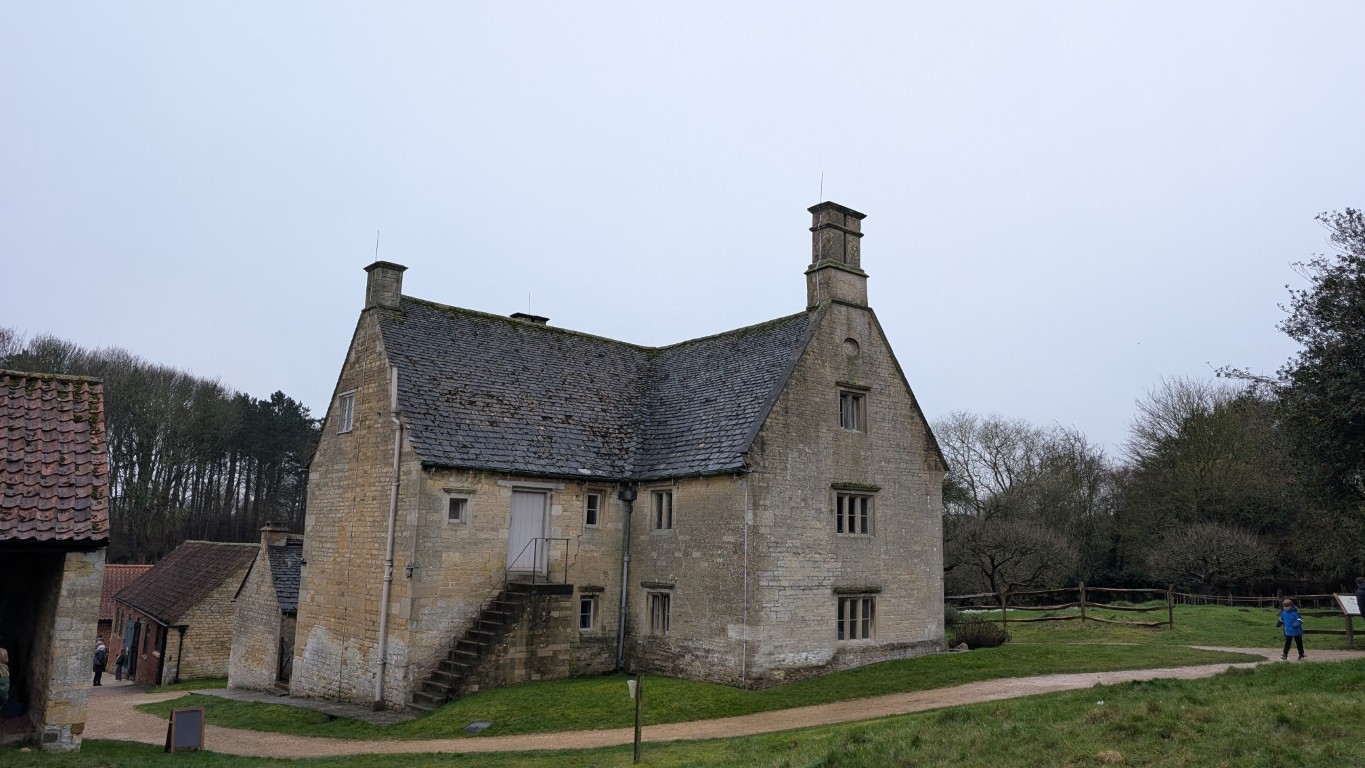
My destination was a place called Woolsthorpe Manor. It turns out that Isaac Newton was actually born into a relatively wealthy family of well-to-do Lincolnshire farmers. He lived in a very grandiose manor house for the time, with a history stretching back to the 13th century. The original plan was for him to take over the family business—running the farm and tending the sheep—but even by the time he was a young teenager, his family knew he was different. He was already deep into his early experimentation and was considered a bit "odd," shall we say.
He did eventually end up at Cambridge, but while he was there, the Great Plague broke out. Much like our recent experience with COVID, everything was shut down. Newton ended up back at Woolsthorpe Manor for a little over a year. It was during this time that he truly began to contemplate the life of the universe.
As the story goes, while he was sitting in the orchard one day, he saw an apple fall. He had already been thinking about gravity, but the epiphany wasn't just about why that specific apple fell down; it was about the realization that every object in the universe is connected to every other object through gravity. It was this fundamental insight that explained, quite simply, why the planets stay in their orbits.

The visit itself was fantastic. The manor house is managed by the National Trust, and while it isn’t particularly large, it is incredibly authentic and atmospheric inside. There are plenty of helpful guides and a video presentation to set the scene before you head out to see the tree itself.
Interestingly, the tree standing there today isn't the exact original tree in the literal sense—that one was knocked down during a storm in 1816 (though some accounts suggest different dates). However, it regrew from the original roots. Biologically, it is the same tree with the same genetic makeup as the one Newton sat under. In a very cool twist of scientific history, pips from this tree are now sent to science institutions all over the world, so they can grow their own direct lineage of Newton’s apple tree.
They also have a great little science exhibition on-site showing the fundamentals of Newtonian experiments, like Newton’s Cradle and his work with splitting light. My close friend Jon and I—who was also a (university) physicist—spent a long time playing with the experiments. We may have even pushed a few kids out of the way so we could get our turn!
It was a brilliant day out, and I highly recommend it to anyone with even a passing interest in how we came to understand the world around us.
The Map: