Summary (by AI): I thoroughly enjoyed my visit to Stamford, a historic stone town and the UK's first conservation area, where I was particularly impressed by the unique Collyweston stone roofs despite the modern appearance of the pedestrianized High Street.
Blog: Stamford. What a wonderful town. Like a lot of the stops on my "ABC tour," I had a sneaky feeling I’d been here before, though I couldn't quite remember for certain. But as I drove down the hill and passed the George Hotel—that beautiful old structure with the great wooden gallows beam stretching right across the road—the memories started flooding back.

It’s easy to see why this is often called one of the most beautiful stone towns in the entire UK. The reason I chose to include it on this trip is that back in 1967, it was designated as the first-ever conservation area in the country. This wasn't just a casual effort; it was legal conservation. It meant the character, the architecture, and the very layout of the streets had to be preserved in perpetuity. Looking around today, you can see it was definitely worth the effort.
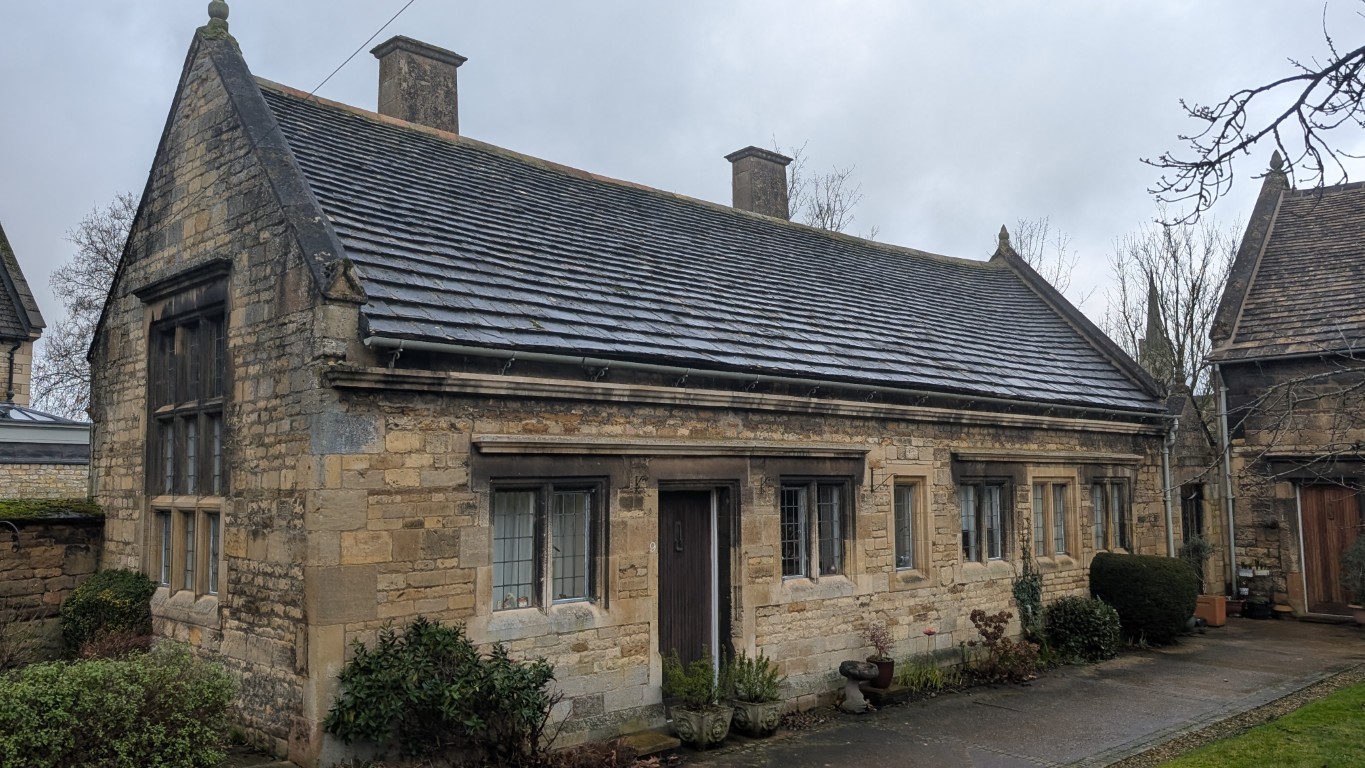
Most of the buildings are constructed from a specific type of Lincolnshire limestone quarried nearby, such as the famous Barnack or Ketton stone, which gives the whole place a bit of a Cotswold feel. But what really fascinated me were the roofs. I’d read about these "stone tiles"—actually more of a stone slate called Collyweston—that are made in all different shapes and sizes. Because of the nature of how they’re produced, they have to be laid in a graduated effect: the largest, thickest ones are at the bottom to bear the weight, getting progressively smaller as they reach the top. It gives the roofs this lovely, organic look that makes the houses feel like they grew right out of the ground. Honestly, more houses should be built that way.
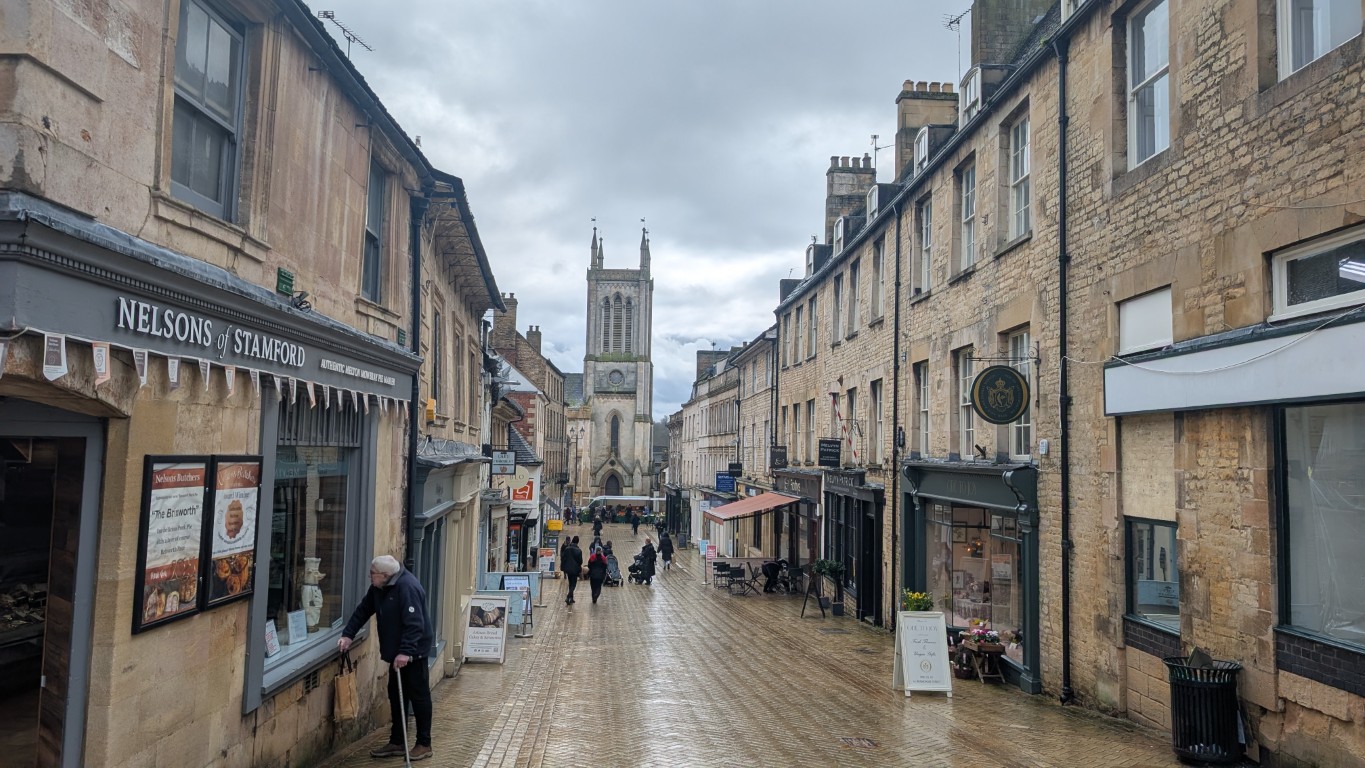
The walk through town was lovely, and I had a great lunch, though I did find that the main High Street has been pedestrianized, but it didn't feel particularly sympathetic to the rest of the town. There’s something about the concrete and the 60s / 70s outdated facades that doesn't quite sit right compared to the side streets.
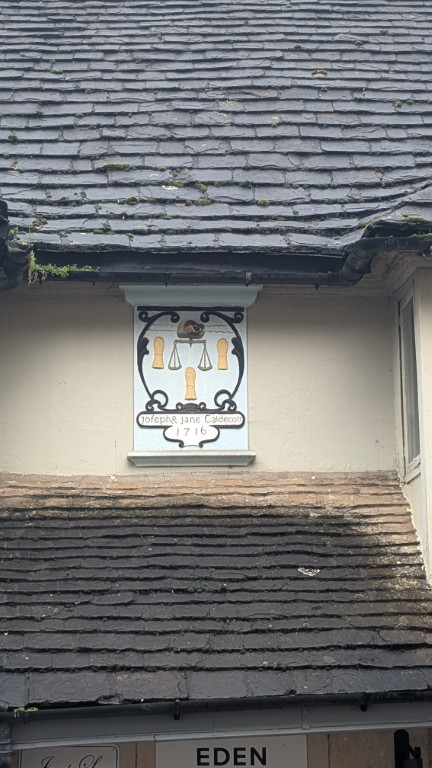
That said, I’m sure the planners took the conservation rules into account as best they could. I’m just glad I took the time to wander off the main drag and explore the smaller lanes. It really is a beautiful place—a perfect example of conservation in action.
The Map: